
How to Prevent Algae in a Water Tank (UAE Guide)
To prevent algae in a water tank, block light from reaching the water, keep the lid and vent sealed, and clean the tank on a regular schedule.
Algae turns stored water green, gives it a musty taste and smell, and is a sign that your tank is letting in light or dirt. In the UAE, where water in rooftop and ground tanks stays warm for much of the year, algae can appear quickly if the conditions are right. This guide explains what algae needs to grow and gives a practical checklist to stop it.
What Algae Needs to Grow
Algae is a simple plant-like organism. To grow in a tank it needs three things:
- Light. This is the main one. No light means no algae.
- Warmth. Warm water speeds growth, and UAE tanks spend many months warm.
- Nutrients. Dust, sediment, insects and organic matter that get into the tank feed it.
You cannot remove warmth from a UAE summer, and you cannot make stored water free of all nutrients. The practical way to stop algae is to take away the light, and to keep dirt out and sediment low.
Signs of Algae in a Water Tank
- Green, brown or slimy film on the inside walls or on the water surface.
- A musty, earthy or swampy smell from the water.
- A change in taste.
- Green strands or particles in the water, or blocked filters and float valves.
- Water that looks cloudy or tinted after the tank has stood unused.
If you see any of these, the tank needs cleaning. See our step-by-step guide to how to clean a water tank.
9 Ways to Prevent Algae in a Water Tank
1. Use an opaque tank
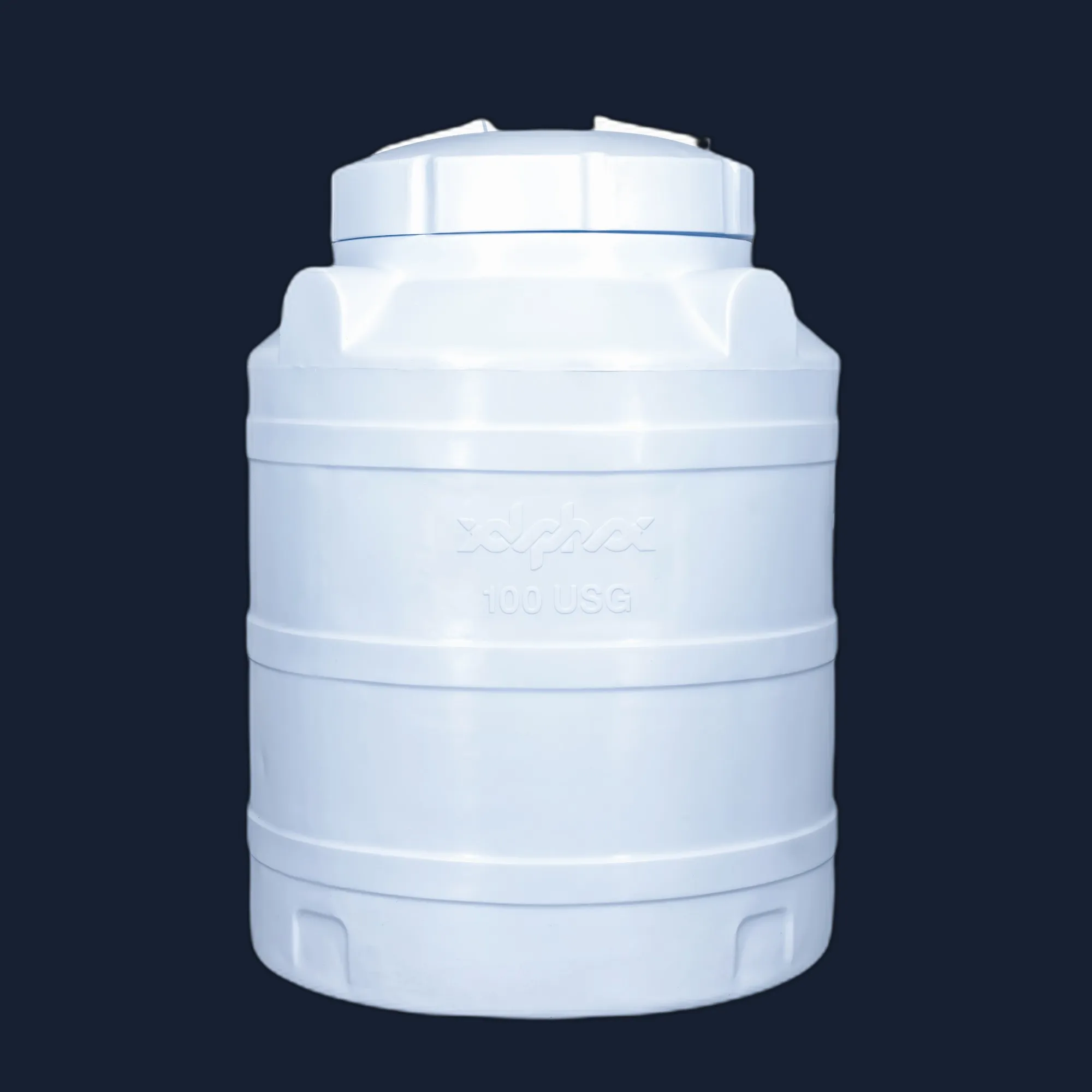
A tank that lets light through will grow algae. Choose a tank made from opaque material. In multi-layer polyethylene tanks, the inner layer is designed to block light. If your tank is white or translucent and shows green growth, replacing it with a multi-layer tank is the lasting fix. Read our guide to 3 layer vs 5 layer water tanks.
2. Keep the lid closed and sealed
A missing, cracked or loose lid lets in light, dust, insects and leaves. Check that the lid fits tightly. Replace a damaged lid or seal straight away.
3. Fit and screen the air vent
The tank needs a vent, but the vent should have an insect screen and should point downward or be shaded, so light and pests cannot get in.
4. Cover or shade exposed pipework and gauges
A clear sight tube or a transparent pipe lets light into the water and grows algae of its own. Use opaque pipe, or wrap and shade any clear section.
5. Shade the tank
Heat speeds algae and bacterial growth. If the tank sits in direct sun on a rooftop, a shade or enclosure helps. For hot sites, read about why a water tank gets so hot in summer.
6. Keep the water moving
Water that sits for weeks is the worst case. Size the tank to your real use, so the water turns over regularly. A tank that is far larger than you need holds old water for too long. If a property will be empty for a long time, drain the tank.
7. Check the float valve and overflow
A faulty float valve can leave the tank overfilled or underfilled and can let in dirt through the overflow. Read about the float valve and replace it when it wears.
8. Keep sediment low
Sediment on the base feeds both algae and bacteria. Clean the tank on a regular schedule. At least once a year is the usual minimum, and twice a year for high-use or sensitive buildings. See our cleaning and maintenance guide.
9. Keep the area around the tank clean
Clear leaves, dust and debris from the roof or tank room, and keep the access cover clean before you open it.
What About Adding Chemicals to Stop Algae?
Do not add algaecides or other chemicals to a tank that supplies drinking water unless a qualified person has told you to, and follow the product label and local authority rules if you do. Chemicals do not replace the basics. Blocking light and keeping the tank clean works better, and it leaves nothing in the water.
How to Remove Algae That Has Already Formed
- Drain the tank and scrub all the green or slimy areas with a soft brush. Do not use wire brushes or hard tools on plastic walls.
- Rinse until the water runs clear.
- Disinfect the tank following the product label, then rinse again until no chemical smell remains.
- Fix the cause before you refill, whether it is a lid, a vent, a clear pipe or a worn tank.
Full steps are in our guide to cleaning a water tank step by step. For a professional clean with a record of the work, see our tank cleaning service.
Does Algae Make Water Unsafe?
Algae in a tank is a warning sign more than a verdict. It means light and dirt are getting in, and the same conditions can support bacteria. Water from an algae-affected tank can taste and smell bad, so do not drink it until the tank has been cleaned and disinfected. If you are unsure, ask a professional.
Frequently Asked Questions
Q: What causes algae in a water tank? A: Algae grows when light reaches warm water that contains nutrients such as dust and sediment. Light is the key factor. A tank that lets light through, or has a loose lid, a clear pipe or an open vent, will grow algae.
Q: How do I stop algae growing in my water tank? A: Use an opaque multi-layer tank, keep the lid sealed, screen the vent, cover clear pipes and gauges, shade the tank, keep the water turning over, and clean the tank regularly.
Q: Which water tank is best to prevent algae? A: An opaque tank with a light-blocking inner layer. Multi-layer polyethylene tanks are built this way, and a 4 layer or 5 layer tank adds insulation for hot rooftop sites as well.
Q: How often should I clean a tank to prevent algae? A: At least once a year, and twice a year for high-use or sensitive buildings. Clean sooner if you see growth, smell something unusual, or after the property has been empty for a long time.
Q: Is it safe to drink water that has algae in it? A: Do not drink it. Clean and disinfect the tank first and fix the cause. If you are not sure the water is safe, speak to a professional.
Need a replacement tank or a cleaning visit? WhatsApp KHAZAAN on +971509583173 or email khazaanae@gmail.com, or see our plastic water tank range.