
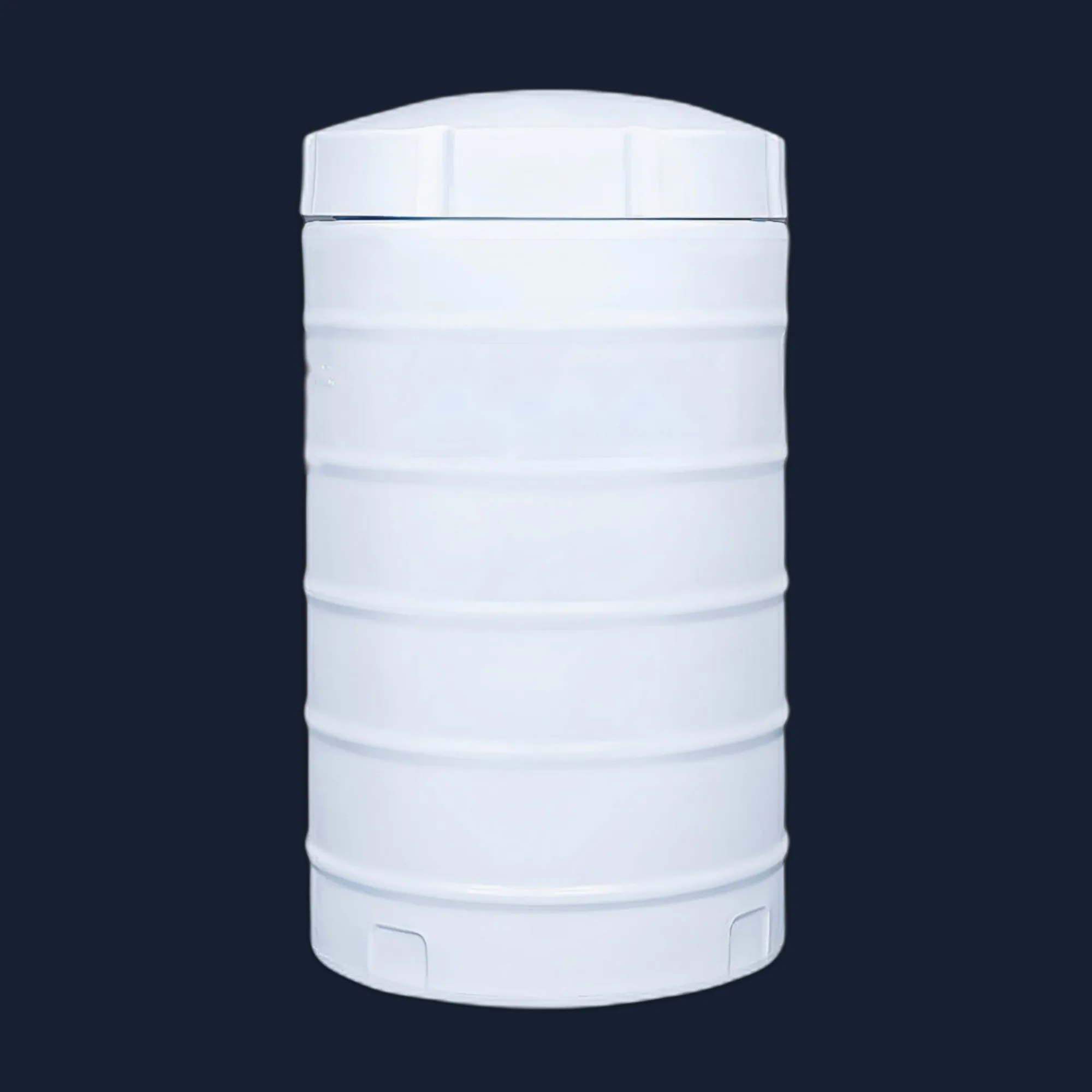
How to Clean a Water Tank: Step-by-Step Guide
To clean a water tank, switch off the supply, drain the tank, scrub the walls and base, rinse, disinfect, rinse again and refill.
This is a practical do-it-yourself guide for a small to medium household water tank. It covers the tools you need, the safety rules, each step in order, and the point where you should stop and call a professional. For the wider picture, including the maintenance schedule, see our water tank cleaning and maintenance guide.
Before You Start: Safety First
- Do not climb inside a tank unless it is safe to do so. A closed tank is a confined space. It can hold stale air, and chemical fumes build up in it. If you cannot clean the tank from the opening using long-handled tools, call a professional.
- Never mix cleaning chemicals. In particular, never mix bleach with acids or with other cleaners. Mixing them can release toxic gas.
- Wear gloves and eye protection, and work with good ventilation.
- Use the right tools. Soft brushes and sponges only. Wire brushes and sharp tools scratch plastic and fibreglass walls, and scratches hold dirt.
- Plan your water. You will have no water from the tank during the clean, so choose a time when you can manage without it, and store some drinking water first.
What You Need
- Soft-bristle brush or sponge on a long handle
- Bucket and clean cloths
- Hose with clean water
- A pump or siphon, if the tank does not drain fully by gravity
- Rubber gloves and safety glasses
- A disinfectant suitable for drinking water tanks, for example sodium hypochlorite (bleach) used exactly as the label directs
Step-by-Step: How to Clean a Water Tank
Step 1: Isolate the tank
Close the supply valve so no new water comes in, and turn off any pump that draws from the tank. If the float valve is stuck open, close the mains first.
Step 2: Drain the tank
Open the drain valve and let the tank empty. You can use this water to wash the area around the tank. Do not use it for drinking. If the tank has no drain valve, empty it with a pump or a siphon.
Step 3: Remove sediment and loose dirt
When the tank is nearly empty, use a scoop or a wet vacuum to take out the layer of sediment on the base, then flush it away. Do not leave a sludge layer behind, because it will feed bacteria and algae.
Step 4: Scrub the walls and base
Use a soft brush or sponge and clean water, with a mild detergent only if the tank manufacturer allows it, and rinse it completely. Work from the top down, and pay attention to corners, the base, the float valve and the underside of the lid, where slime collects.
Step 5: Rinse
Rinse the whole inside with clean water until the water running out is clear. Drain it away.
Step 6: Disinfect
Apply a disinfectant that is suitable for drinking water tanks to all inside surfaces, following the product label for strength and contact time. For reference, professional cleaners typically leave the disinfectant on for about 30 minutes. Wipe or spray the lid, the float valve and the fittings as well. Never mix the disinfectant with another chemical.
Step 7: Final rinse
Rinse the tank thoroughly with clean water until there is no chemical smell. Drain it fully.
Step 8: Check the fittings
With the tank empty, look at the float valve, the overflow, the vent screen, the lid seal and the connectors. Fix or replace anything worn before you refill. See our guides on the float valve and leak repair.
Step 9: Refill and test
Close the drain, reopen the supply and let the tank fill. Fit the lid securely. Run a tap fed by the tank for a minute and check that the water looks clear and has no odour before you use it for drinking.
How Often Should You Clean a Water Tank?
Clean a household water tank at least once a year. For high-occupancy buildings, schools, clinics and food premises, twice a year is the usual standard. Clean sooner if you notice any of these:
- Discoloured water, a bad smell or visible growth
- Sediment or particles in the water
- The tank has stood empty or unused for months
- The tank has been opened for repair
How Long Does It Take?
A small tank can often be done in a couple of hours. A larger tank takes longer, because draining, scrubbing and rinsing all scale with size. Plan for the tank to be out of use for the whole job.
When to Call a Professional
Call a professional tank cleaner when:
- The tank is too big to clean safely from the opening
- You would have to enter the tank, or it is underground or in a confined space
- The tank serves a commercial building and you need a cleaning record
- You find heavy contamination, strong odour or signs of leaks or damage
- You do not have a safe way to dispose of the wastewater
KHAZAAN offers a water tank cleaning service, and our water tank cleaning cost guide explains what affects the price.
Why Cleaning Matters
A tank that is not cleaned collects sediment and biofilm and can grow algae, which affects taste, smell and safety. Our article on why water tank cleaning is important explains the risks in detail, and our guide to preventing algae shows how to keep it from coming back.
Frequently Asked Questions
Q: How do you clean a water tank at home? A: Isolate the supply, drain the tank, remove the sediment, scrub the walls and base with a soft brush, rinse, disinfect with a product suitable for drinking water tanks following the label, rinse again until there is no chemical smell, check the fittings, then refill.
Q: What should I use to clean a water tank? A: Use a soft brush or sponge, clean water, and a disinfectant suitable for drinking water tanks such as sodium hypochlorite, used exactly as the label directs. Do not use wire brushes, and never mix bleach with other chemicals.
Q: How often should a water tank be cleaned? A: At least once a year for a household tank, and twice a year for high-use or sensitive buildings. Clean sooner if the water changes colour, smell or taste, or after the tank has been empty for a long time.
Q: Can I clean a water tank myself? A: Yes, if the tank is small enough to clean safely from the opening using long-handled tools. Do not enter a tank you cannot ventilate and exit easily, and use a professional for large, underground or commercial tanks.
Q: How do I know the tank is clean enough to use? A: The water running out in the final rinse is clear, there is no chemical smell, the walls feel smooth and free of slime, and the first water drawn after refilling looks and smells normal.
Need a cleaning visit or a replacement tank? WhatsApp KHAZAAN on +971509583173 or email khazaanae@gmail.com.