
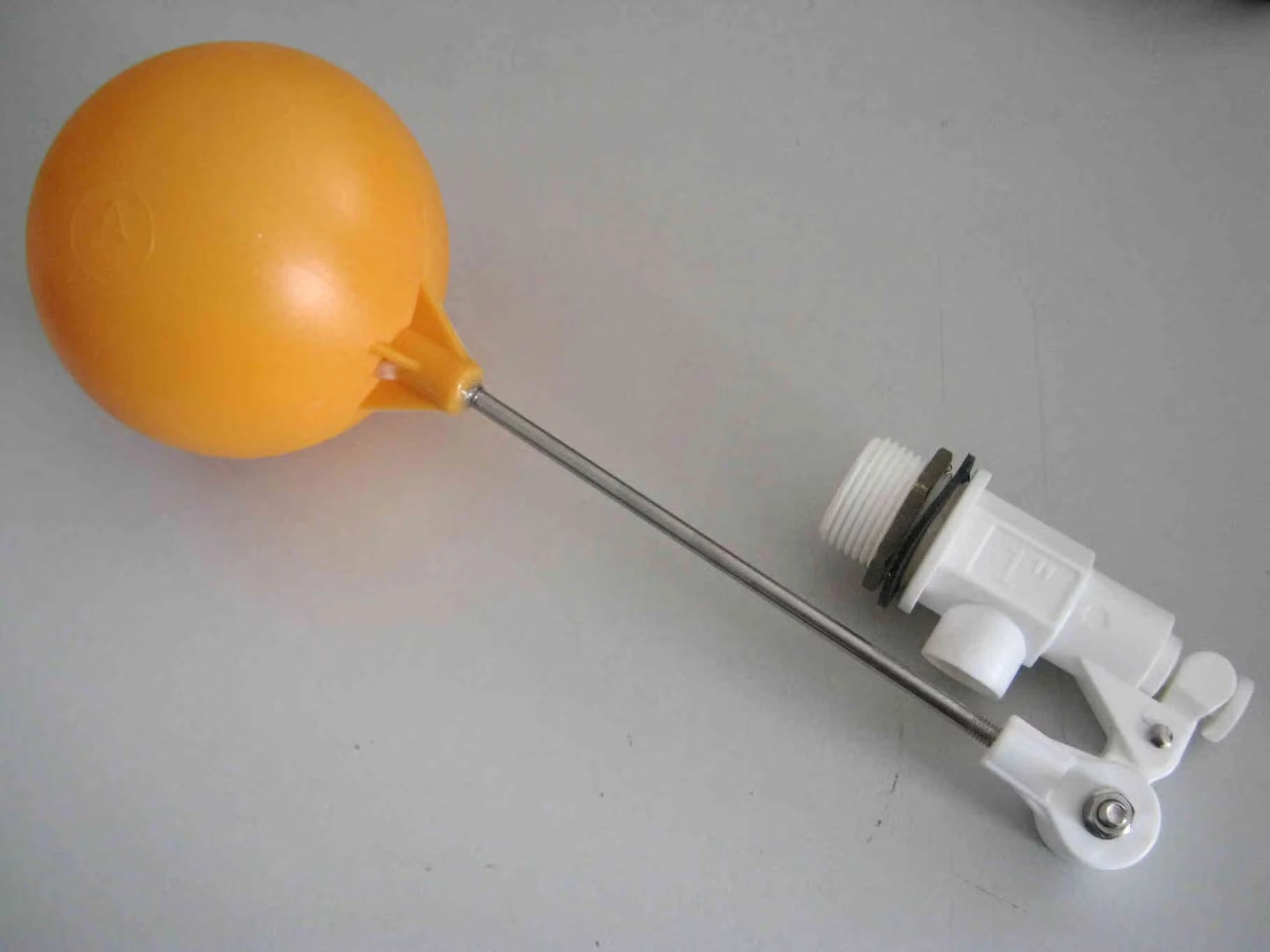
Water Tank Float Valve UAE: How It Works and When to Replace It
A water tank float valve automatically shuts off the inlet supply once the tank reaches its set water level, preventing overflow.
This guide explains how a floating valve works, the common problems that show up in UAE water tanks, and when to repair or replace one.
What Is a Water Tank Float Valve?
A float valve, also called a floating valve or ball valve in plumbing terms, is a mechanical shut-off device fitted to the inlet pipe inside a water tank. A hollow float ball rides on the surface of the water and is connected by an arm to a valve mechanism. As the water level rises, the float lifts and gradually closes the valve; as the level drops, the float falls and the valve reopens, letting water back in. It is a purely mechanical, self-regulating system that needs no power or electronic control.
Every properly installed rooftop or ground-level water tank in the UAE should have a float valve fitted to the inlet. Without one, a tank will overflow continuously once the incoming supply pressure exceeds outflow, wasting water and risking water damage to the roof, plant room, or surrounding structure.
Common Water Tank Float Valve Problems in UAE
Tank overflowing constantly. The most common fault. Usually caused by a stuck or worn valve mechanism, a punctured float ball that has taken on water and lost buoyancy, or mineral scale build-up on the valve seat preventing full closure.
Tank not filling, or filling very slowly. Can indicate a jammed float arm, a blocked inlet strainer, or a valve stuck in the closed position.
Dripping or weeping at the valve after shut-off. Usually a worn valve washer or seat, common after several years of continuous use, especially with UAE's mineral-rich water supply causing scale build-up.
Float ball has sunk or is waterlogged. A cracked or punctured float ball fills with water over time and can no longer rise correctly, causing the valve to stay open and the tank to overflow.
Float Valve Materials for UAE Tanks
Plastic (HDPE or ABS) float valves are the standard specification for residential polyethylene and GRP tanks in the UAE, chosen for corrosion resistance and food-grade compatibility with potable water. Brass float valves are more durable under UAE's mineral-heavy water supply and are commonly specified for larger commercial and GRP panel tank installations, though they cost more than plastic equivalents. Always use a food-grade rated valve for potable water tanks, the same UAE Municipality Certification standard that applies to the tank itself should apply to fittings in contact with drinking water.
How to Maintain a Water Tank Float Valve
Check the float valve during every scheduled tank inspection, alongside the routine cleaning cycle UAE municipalities require every 6 months. Inspect the float ball for cracks or waterlogging, confirm the arm moves freely without binding, and check the valve seat for scale build-up or wear. A float valve is a low-cost, wear-prone component, replacing one proactively every few years is far cheaper than the water damage from a tank that overflows unnoticed for days.
Frequently Asked Questions
Q: What does a water tank float valve do? A: A float valve automatically shuts off the water supply to a tank once it reaches the set fill level, and reopens as the level drops. It prevents overflow and protects the property from water damage, without needing any electrical power.
Q: Why is my water tank overflowing even though it has a float valve? A: Usually a worn or stuck valve mechanism, scale build-up preventing full closure, or a punctured float ball that has taken on water and lost buoyancy. The valve should be inspected and, if worn, replaced.
Q: How often should a tank float valve be replaced? A: There is no fixed interval, but a float valve is a mechanical wear component. Inspect it at every scheduled tank cleaning (every 6 months per UAE municipality guidance) and replace it at the first sign of sticking, dripping, or a waterlogged float ball, typically every few years depending on water quality and usage.
Q: Should I use a plastic or brass float valve? A: Plastic (HDPE/ABS) is the standard, food-grade, corrosion-resistant choice for most residential polyethylene and GRP tanks. Brass is more durable against UAE's mineral-heavy water supply and is commonly used on larger commercial and panel tank installations.
Q: Can I replace a water tank float valve myself? A: Simple like-for-like float valve replacement is within reach for a competent DIYer or general plumber on residential tanks. For commercial, GRP panel, or underground tank installations, professional replacement is recommended to ensure the correct valve rating and a watertight fitting.
KHAZAAN supplies and fits float valves as part of new tank installation, maintenance, and cleaning visits across all seven UAE emirates. WhatsApp +971509583173 or call for a quote on float valve replacement or a full tank service.