
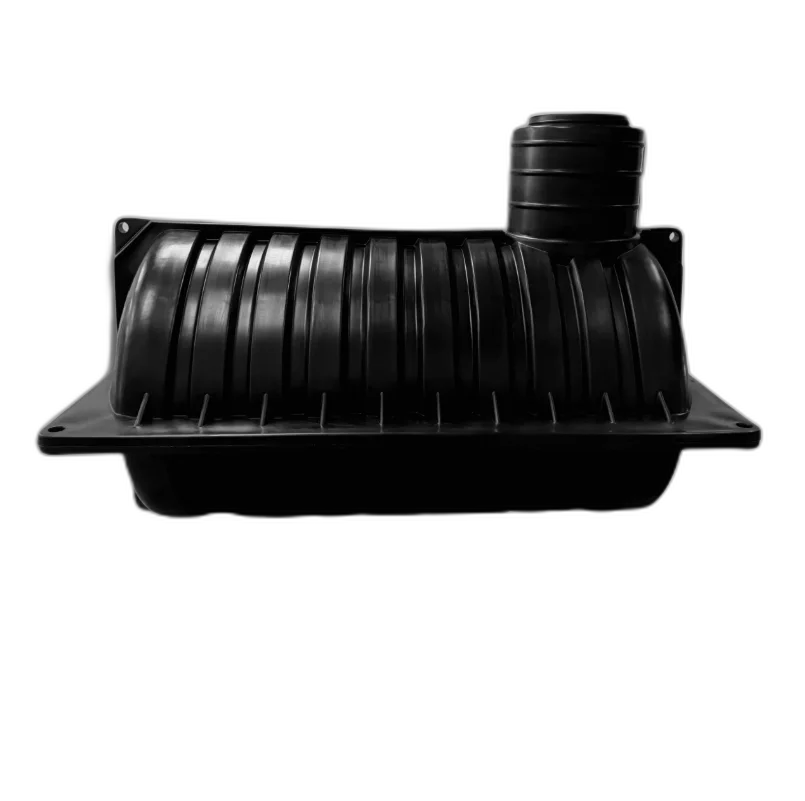
Underground Water Tank UAE: Complete Guide to Types, Sizes, and Installation
Quick answer: Underground water tanks in the UAE are typically GRP fiberglass, built with reinforced walls to resist soil pressure, and cost 30 to 50 percent more than equivalent above-ground GRP tanks, ranging from around AED 2,500 for a 300 USG tank to AED 22,000 for a 3,000 USG tank, excluding excavation and installation.
Underground water tanks are a common choice for UAE villas and commercial properties where rooftop space is limited, where the tank needs to be concealed for aesthetic reasons, or where ground-level storage suits the building's plumbing layout better than elevated tanks. This guide covers the materials, sizing, pricing, and installation requirements specific to underground storage in UAE conditions.
Key Takeaways
- Underground GRP tanks cost 30 to 50 percent more than equivalent above-ground GRP tanks due to reinforced wall construction.
- Only tanks specifically designed and rated for below-grade installation should be buried.
- Standard underground GRP tanks are rated for burial to roughly 1.5 metres of cover depth.
- Installation requires a compacted sand or gravel bed at least 150mm thick and granular, compacted backfill.
- Underground tanks not rated for vehicle traffic must never be installed where vehicles can pass overhead.
Why Choose an Underground Water Tank in UAE
Underground tanks free up rooftop space for other uses such as solar panels, HVAC equipment, or terrace areas, keep the tank out of direct sun exposure which reduces water temperature compared to rooftop storage, and can be positioned closer to the point of use for commercial layouts with ground-level plant rooms. They are also less visually intrusive for villas and landscaped properties, since a buried tank leaves no visible structure beyond a flush-mounted access cover.
For properties in dense urban plots where rooftop access is limited or shared, or where local planning guidelines restrict rooftop structures, underground storage can be the only practical way to achieve the required capacity without compromising the building's design.
Materials Used for Underground Tanks in UAE
Underground GRP tanks are the most common choice for buried water storage in the UAE. They are manufactured with heavier wall construction than above-ground equivalents to resist soil pressure and, where relevant, vehicle loading from above. Underground GRP tanks are typically 30 to 50 percent more expensive than equivalent above-ground GRP tanks due to this reinforced construction, reflecting the additional glass fibre reinforcement and resin needed to achieve the required structural rating.
HDPE (high-density polyethylene) tanks specifically rated for below-grade installation are also used for smaller underground applications, typically in the residential capacity range. Not all polyethylene tanks are suitable for burial; only tanks specifically designed and rated for underground use, with the appropriate wall thickness and rib reinforcement, should be installed below grade. Installing a standard rooftop-rated polyethylene tank underground is a common and costly mistake, since the tank was never engineered to resist lateral soil pressure.
Concrete underground tanks are used in some older UAE properties but are rarely specified for new installations due to vulnerability to the chemistry of UAE desalinated water, which can be mildly aggressive to concrete over time, and the ongoing maintenance that waterproof lining systems require to remain effective.
Installation Requirements
Underground tank installation in the UAE follows a defined process that directly affects the tank's long-term structural integrity.
Bedding. The tank must be bedded on a compacted sand or fine gravel base, typically at least 150mm thick, free of stones or hard debris that could create stress points on the tank shell once the tank is filled and the surrounding soil pressure is applied.
Backfill. Backfill material around the tank must be granular and placed in compacted layers to avoid uneven lateral pressure on the tank walls. Backfilling with unsuitable material, such as clay-heavy soil with large clumps, is one of the most common causes of premature underground tank failure.
Pipework connections. Rigid pipework should connect to the tank through flexible couplings rather than direct rigid connections, protecting the tank from stress caused by ground movement or settlement over time.
Traffic loading. Tanks not specifically rated for vehicle traffic must never be installed where vehicles can pass over them. If the installation location may see vehicle traffic now or in the future, specify a traffic-rated tank and cover from the outset rather than retrofitting later.
Access covers. Access covers must be positioned at finished ground level for inspection and maintenance, and must comply with UAE Municipality access dimension requirements, allowing a technician to enter or reach into the tank for cleaning and inspection.
Excavation timing. Excavation and tank placement should be scheduled to avoid periods of heavy rainfall where groundwater or surface water could destabilise the excavation before the tank is bedded and backfilled.
Underground Tank Prices in UAE (2026)
| Capacity | Price Range (AED) |
|---|---|
| 300 USG | AED 2,500 – 4,500 |
| 500 USG | AED 3,500 – 6,500 |
| 1,000 USG | AED 6,000 – 10,000 |
| 2,000 USG | AED 10,000 – 16,000 |
| 3,000 USG | AED 14,000 – 22,000 |
Prices exclude excavation, bedding material, and backfill, which are typically quoted separately by the installing contractor based on site conditions. As a general guide, excavation and installation for a residential-scale underground tank commonly adds AED 1,500 to AED 5,000 to the total project cost, depending on ground conditions and access for excavation equipment.
Underground vs Above-Ground: Key Differences
Underground tanks cost more upfront due to reinforced construction and excavation work, but free up usable space and reduce sun exposure, which can extend the tank's UV-related service life on the exposed components. Above-ground rooftop tanks are cheaper to install and easier to inspect and maintain, since the access cover and fittings are readily reachable without excavation, making routine cleaning and fitting replacement significantly simpler.
Above-ground tanks also make it easier to visually monitor the tank for early signs of a problem, such as a leak at a fitting, since the exterior is fully visible. An underground tank's exterior condition cannot be inspected without excavation, so relying on interior access-cover inspection and prompt attention to any drop in water pressure or unexplained water loss becomes more important.
For most residential villas, above-ground rooftop polyethylene tanks remain the standard configuration due to lower cost and simpler maintenance. Underground tanks are chosen specifically where space, aesthetics, or plumbing layout make below-grade storage the better fit, or where local regulations or community guidelines restrict visible rooftop tanks.
Choosing the Right Underground Tank Size
Sizing an underground tank follows the same daily-consumption logic as any water storage tank: multiply the property's occupancy by daily per-person consumption (roughly 300 to 400 litres per person for UAE villas) and add a reserve margin for supply interruptions. Because underground tanks are more disruptive and expensive to resize or replace than rooftop tanks, it is worth sizing generously at the outset, particularly if any future extension to the property (additional bedrooms, a pool, or a guest annex) is likely to increase demand.
Common Underground Tank Installation Mistakes
A number of avoidable mistakes account for most premature underground tank failures in the UAE, and knowing them helps you brief your installer correctly and check their work.
Using an unrated tank below grade. The most serious mistake is burying a tank that was never designed for below-grade installation, typically a standard rooftop-rated polyethylene tank. Without the reinforced wall thickness and rib structure of a purpose-built underground tank, soil pressure can deform or crack the shell within a few years of burial.
Inadequate or contaminated bedding. Bedding the tank directly on unprepared native soil, or on backfill containing stones and construction debris, creates stress concentration points that can crack the tank shell once the surrounding soil load is applied. The compacted sand or fine gravel bed specification exists specifically to distribute the load evenly across the tank base.
Poor backfill compaction. Backfilling too quickly, in layers that are too thick to compact properly, or with unsuitable material such as clay-heavy soil, leaves voids and uneven pressure around the tank walls that can shift and damage the tank as the ground settles over time.
Rigid pipe connections. Connecting pipework directly to the tank without flexible couplings transmits any ground movement straight into the tank fittings, a common cause of fitting leaks in underground installations within the first few years.
Ignoring traffic loading. Installing a non-traffic-rated tank in a location that later sees vehicle access, whether from a parking area extension or construction traffic during future renovation work, is a frequent and entirely avoidable cause of tank collapse.
Asking your installer to confirm in writing that the bedding, backfill, and connection methods meet these standards before backfilling is complete is the single most effective way to avoid these issues, since problems with bedding and backfill are essentially impossible to verify or correct once the tank is buried.
Underground Tank Maintenance Considerations
Because the tank exterior cannot be visually inspected once buried, maintenance for underground tanks relies more heavily on interior inspection through the access cover and on monitoring indirect signs of a problem. Schedule the same annual or bi-annual cleaning as any water tank requires, and use each cleaning visit as an opportunity to inspect the interior surfaces, fittings, and access cover seal for any early signs of an issue.
Between cleaning visits, watch for indirect signs that can indicate an underground tank problem: an unexplained drop in stored water level beyond normal usage, damp or unusually lush ground directly above the tank location (which can indicate a slow leak), or a change in water pressure that might suggest the float valve or fittings need attention. Because excavating to inspect an underground tank's exterior is disruptive and costly, addressing these indirect warning signs promptly, before they develop into a confirmed leak, is the most practical approach to underground tank maintenance.
For properties with underground tanks approaching 15 to 20 years of service, particularly those installed before more recent reinforced underground GRP specifications became standard, a proactive assessment by a qualified technician is worth considering even without an active symptom, simply because the cost of discovering a problem early is far lower than the cost of an undetected failure.
Frequently Asked Questions
Q: How much more does an underground tank cost compared to above-ground? A: Underground GRP tanks typically cost 30 to 50 percent more than equivalent above-ground tanks due to the heavier wall construction needed to resist soil pressure and burial loads.
Q: Can any water tank be buried underground? A: No. Only tanks specifically designed and rated for below-grade installation should be buried. Standard rooftop polyethylene tanks are not built to withstand soil pressure and should not be installed underground.
Q: What depth of cover is required for an underground tank in UAE? A: Standard underground GRP tanks are typically rated for soil burial to around 1.5 metres of cover depth, with higher cover ratings available on request for sites with traffic loading above the tank.
Q: Do underground tanks need vehicle traffic protection? A: Yes, unless the tank is specifically rated for traffic loading. Underground tanks not rated for vehicles must never be installed where cars, trucks, or heavy equipment can pass overhead.
Q: How much does excavation and installation add to the total cost? A: Excavation, bedding, and backfill for a residential-scale underground tank typically adds AED 1,500 to AED 5,000 to the project, depending on ground conditions, tank size, and access for excavation equipment.
Q: How do I inspect an underground tank if I can't see the exterior? A: Inspection relies on the interior access cover, checking water quality and pressure regularly, and watching for signs such as unexplained water loss, damp ground above the tank, or a drop in supply pressure that could indicate a developing problem.
Q: Is HDPE or GRP better for an underground tank in UAE? A: GRP is more common for underground installations in the UAE due to its structural strength for larger capacities and burial depths. HDPE tanks rated for below-grade use are a viable option for smaller residential capacities where a lighter, lower-cost solution is preferred.
KHAZAAN supplies UAE Municipality Certified underground GRP water tanks with delivery and installation guidance across all seven emirates. Contact KHAZAAN on WhatsApp +971509583173 or visit khazaan.ae for sizing and pricing.